policy
HBF puts cost of upgrading an older home to new build standard at up to £173,900
Home Builders Federation analysis gives a range of £57,350 to £173,900 for modernising an older property, while its polling found most people would budget no more than £50,000 for a doer-upper.
Bringing an older home in England and Wales up to the standard of a modern new build could cost as much as £173,900, according to a report from the Home Builders Federation (HBF).
The report, Nothing Compares to New, gives a range of £57,350 to £173,900 for the work. HBF said the upper figure is its own analysis, based on industry estimates. Its press release put the cost for a three-bed semi-detached property at about £170,000.
HBF's polling found that 56% expected to set aside no more than £50,000 for renovating a doer-upper.
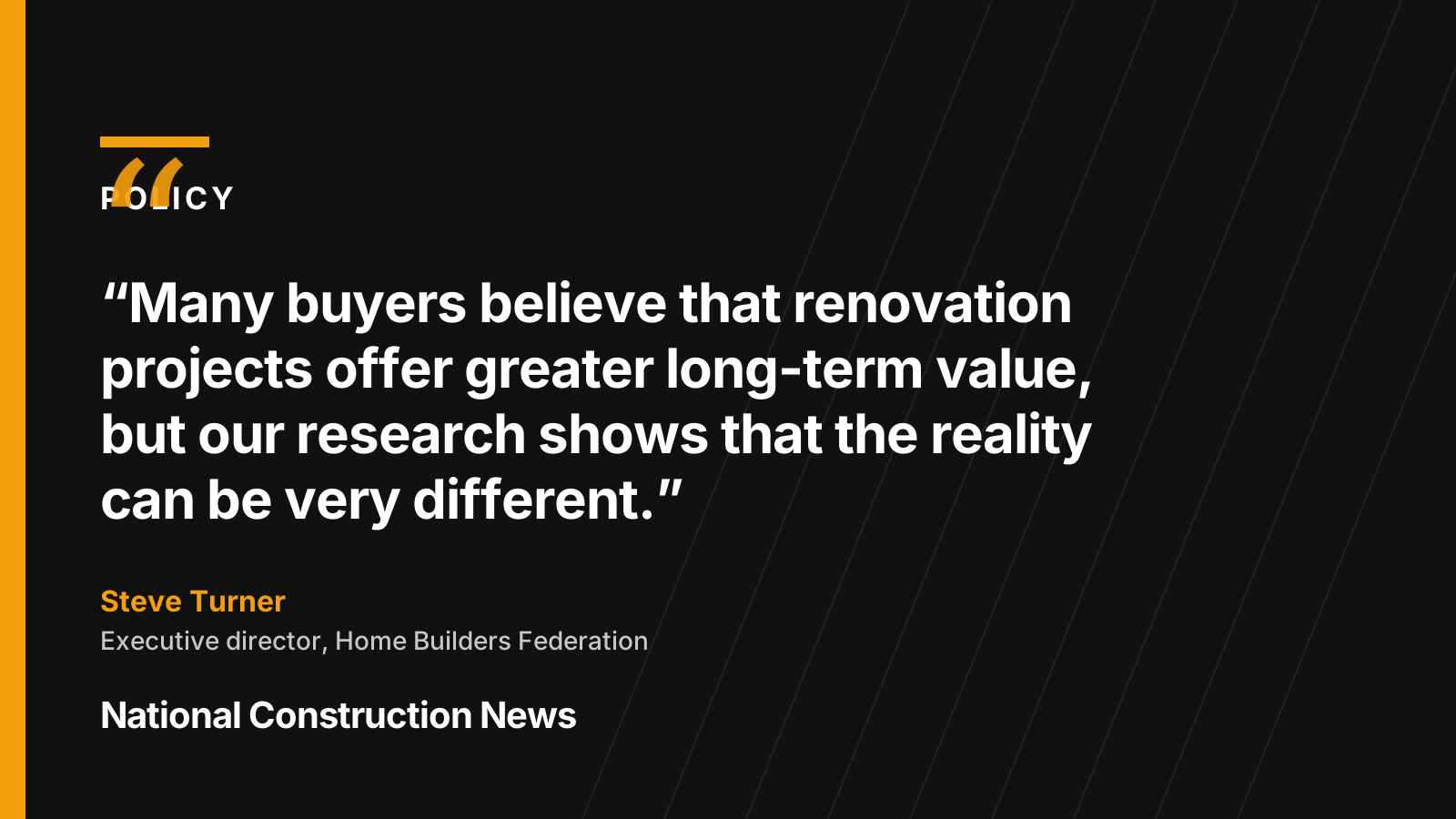
Steve Turner, executive director at the Home Builders Federation, said: "Many buyers believe that renovation projects offer greater long-term value, but our research shows that the reality can be very different."
Why buyers choose older homes
The report said first-time buyers are being pushed towards homes that need major renovation by mortgage affordability constraints, lender policies and a lack of government-backed support.
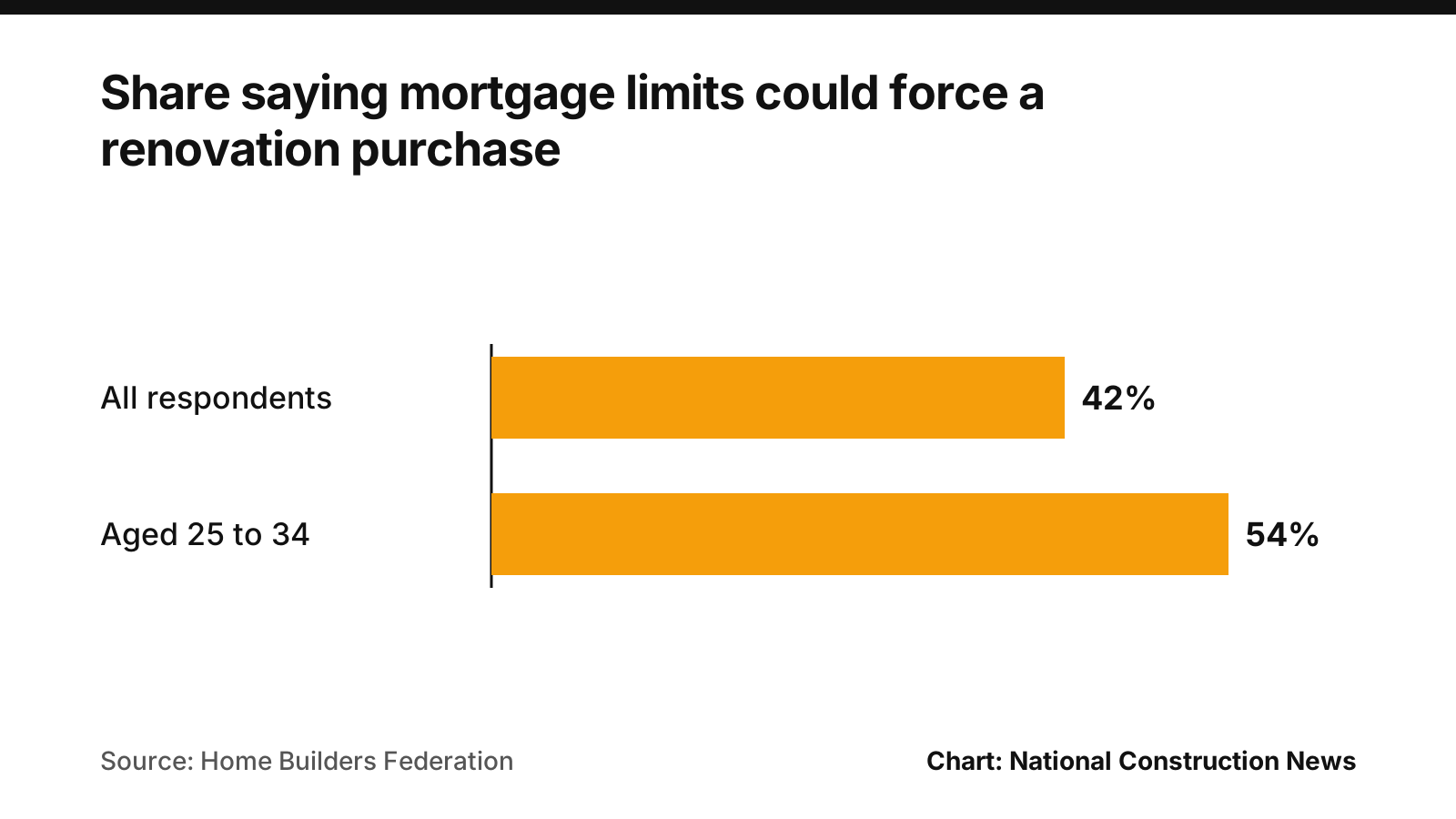
In HBF's polling, 42% believed borrowing constraints would force them to buy a property needing significant work. That rose to 54% among those aged 25 to 34.
HBF said mortgage terms favour older homes, particularly for apartments. A new build buyer may need a deposit equal to 15% of the property's value, where a buyer of an existing property typically needs 5%, according to the report.
The report also said the withdrawal of Help to Buy has left first-time buyers without a major government-backed support scheme for the first time in decades.
Earlier HBF research put the average price-to-income ratio for first-time buyers in England at 10, rising to over 12 in the South East, South West and East of England and over 16 in London.
Energy costs
Energy efficiency features that come as standard in new build homes could cost up to £83,000 to add to an older home, the report said.
According to the report, 87% of new build homes achieve an Energy Performance Certificate (EPC) rating of A or B. It said the average older home with an EPC D rating uses 46% more energy than the average new build.
HBF said new build energy bills are about 20% cheaper on average, a potential saving of £420 a year.
Only 19% of those polled believed a new build offers better value for money when purchase price, energy bills and renovation costs are taken together.
Turner said "new build homes are designed to include many of the features buyers can spend years and thousands of pounds adding to older properties."
What HBF is asking for
HBF, which describes itself as the principal voice for home builders in England and Wales, is calling for more transparency on renovation and ownership costs. It also wants the long-term savings of new build homes to be recognised in mortgage affordability considerations.
The report is part of HBF's Power to Personalise campaign. It combines market research, consumer polling, external sector data and renovation cost analysis.
Nationwide's findings
HBF's report cites Nationwide Building Society research as finding that 66% of first-time buyers choose a doer-upper to reduce the purchase price.
Nationwide's own survey, conducted by Censuswide among 2,000 first-time buyers, found that 75% had carried out more DIY or renovation than they first expected. It also found that 60% had spent more than £2,500 on DIY and home improvements since moving in.
Sources
- Home Builders Federation (opens in a new tab) (accessed 2026-10-03)
- Home Builders Federation (opens in a new tab) (accessed 2026-10-03)
- Nationwide Building Society (opens in a new tab) (accessed 2026-10-03)
- Home Builders Federation (opens in a new tab) (accessed 2026-10-03)
This story was researched from the primary sources above and checked against them before publication. Spotted an error? Tell us and we will correct it promptly.