policy
Newcastle budget seeks £45m savings and keeps £50m pothole fund alongside 4.99% tax rise
Newcastle City Council's minority Liberal Democrat administration has set out its first budget, proposing £45m of savings over three years, a 4.99% council tax rise and continued spending on roads and neighbourhoods.
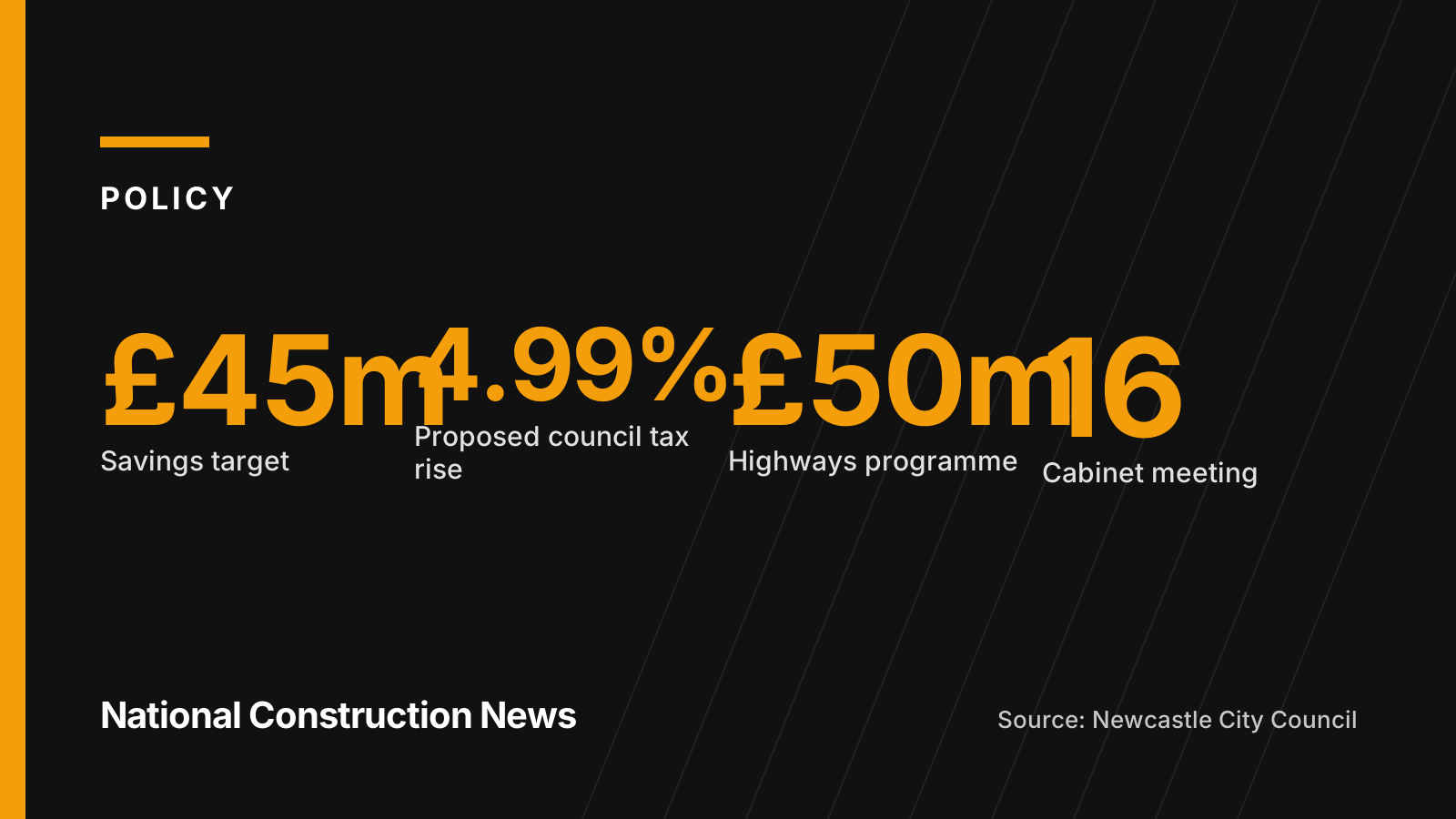
Newcastle City Council has proposed a budget that would find £45m of savings over three years, raise council tax by 4.99% and keep a £50m programme for filling potholes, in the first financial plan of its new Liberal Democrat administration.
The council said on 9 November that the proposals go to Cabinet on Monday 16 November, with formal public consultation starting the following day, before a vote at a meeting of full council.
Cllr Colin Ferguson, Leader of Newcastle City Council, said: "This is our first budget as a new administration and we are proposing bold and ambitious choices to deliver the change residents called for when they elected us in May."
Cllr Ferguson leads a minority Liberal Democrat administration formed after the May local elections. According to the council, the Liberal Democrats won 25 seats, the most of any party but short of the 40 needed for a majority, and he was named Leader at the Annual Meeting of Council on 27 May.
The proposals
Alongside the £50m for potholes, the Medium-Term Financial Plan (MTFP) would hand councillors in every neighbourhood £50,000 to spend on local issues, according to the council. It also proposes a new Neighbourhood Taskforce covering weed killing, grass cutting and street cleaning, and more investment in parks and green space.
The council said it would protect its Council Tax Support scheme, which gives relief to people with terminal illnesses, veterans, carers and those living in deprivation.
The administration said it had little choice but to increase council tax by 4.99% or face cuts to core services while its transformation process is delivered. A large share of the £45m savings is to come from the council's Change and Innovation programme, which it describes as the city's biggest transformation in more than a decade and which is already investing in new technology and more efficient processes.
Cllr Ferguson said: "Pressures on council finances are no secret, but we will not reach for the quickest cuts because they make a spreadsheet balance today."
He said the council tax increase was a difficult decision forced by budget pressures, and that he would continue to lobby the Prime Minister for funding and press for a fairer funding formula.
Staff consultation
The Change and Innovation programme is already under way. The council said in October that consultation had begun on proposals affecting up to 121 staff across support services and management structures, with the process expected to conclude in the new year.
Background
When full council approved the last budget on 4 March 2026, the council said the Change and Innovation Programme would find more than £37m of efficiencies over the next three years. The new MTFP puts total savings at £45m over three years, with the programme to deliver a big part of that figure, the council said. The March budget signed off £4.9m of savings, raised council tax and the adult social care precept by a combined 4.99%, and set net day-to-day spending at £374m with £207m of capital investment. The council said at the time it had saved £400m since 2010.
The £50m highways spend also predates the new administration. The council's own releases show it was first announced by the previous Leader, Cllr Karen Kilgour, on 26 September 2025, and was included in the March 2026 budget as a programme for cleaner streets, better maintained roads and fewer potholes. The council put its estimated highways repair backlog at £250m in 2024/25.
In July the council said weed killing delivery had been brought back in-house, and set out initial areas of focus including up to £1.4m of targeted spending and capital investment to restore and enhance parks and green spaces, and improving the condition of roads and pavements with a focus on durable, long-term repairs.
The MTFP is designed to fund the Council Plan for 2026 to 2029, which aims to make Newcastle the UK's most successful regional capital. The council said the plan was shaped by feedback from more than 10,000 residents, partners and stakeholders through Newcastle's Big Conversation, and sets six priority outcomes including great neighbourhoods, quality homes, sustainable economic development and a financially sustainable council.
What happens next
Cabinet considers the proposals on 16 November, consultation on the key proposals, including the council tax rise, begins on 17 November, and the MTFP then goes to full council for a vote by all councillors.
On the record: Newcastle City Council
Sources
- Newcastle City Council (opens in a new tab) (accessed 2026-11-10)
- Newcastle City Council (opens in a new tab) (accessed 2026-11-10)
- Newcastle City Council (opens in a new tab) (accessed 2026-11-10)
- Newcastle City Council (opens in a new tab) (accessed 2026-11-10)
- Newcastle City Council (opens in a new tab) (accessed 2026-11-10)
- Newcastle City Council (opens in a new tab) (accessed 2026-11-10)
- Newcastle City Council (opens in a new tab) (accessed 2026-11-10)
This story was researched from the primary sources above and checked against them before publication. Spotted an error? Tell us and we will correct it promptly.